
Safety
Trust, engineered.
Consumer air mobility is only as safe as the software that governs it. Every Soar flight operates under the same FAA framework as commercial airlines, every pilot approval requires three independent sign-offs, and every dispatch runs through software that verifies safety constraints in real time.
The framework
Six pillars, no exceptions.
Safety isn't a slogan. It's a system with six load-bearing pillars — every one written into the software, every one enforced on every flight.
01
Regulated by the FAA
Soar operates under FAA Part 135 — the on-demand air carrier framework that governs charter and air-taxi operations. Same regulator as the airlines you fly, same enforcement authority. Our Part 135 air carrier certification is in acquisition.
02
Every pilot is a commercial pilot
Soar pilots hold FAA commercial pilot certificates or higher. No private-only ratings. No student pilots. Every certificate is verified against the FAA airman registry at onboarding and re-checked before every flight.
03
Three-person approval
No pilot flies without unanimous sign-off from three independent roles — Chief Pilot for flight qualifications, Director of Operations for dispatch fit, Director of Maintenance for aircraft familiarity. One person doesn't clear a pilot to fly.
04
Aircraft maintained to Part 135 standards
Every aircraft in the Soar fleet is maintained on Part 135 inspection intervals — stricter than personal-use aircraft, aligned with commercial standards. No aircraft dispatches with an open airworthiness item.
05
Software-monitored operations
Every flight tracked in real time. Weather, duty time, pilot qualifications, and aircraft airworthiness are verified at dispatch. If any single constraint fails, the flight doesn't launch. No exceptions, no manual overrides.
06
Continuous review
Every operational event is logged. Every incident is reviewed within 24 hours by the safety team. Safety culture is reinforced through data trails you can audit — not policy documents you have to trust.
Governance
Three sign-offs. No single-point failures.
Every pilot approval at Soar requires unanimous agreement from three independent roles. No one person can clear a pilot to fly — and no one person can override the other two.
Flight qualifications
Chief Pilot
Reviews certificates, ratings, currency, medical status, logged hours, cross-country experience, and check-ride records. Signs off on whether the pilot has the skill set to fly Soar routes safely.
Dispatch fit
Director of Operations
Reviews duty-time compliance, familiarity with our operations manual, procedural discipline, and understanding of Part 135 rules. Signs off on whether the pilot can operate within Soar's dispatch framework.
Aircraft familiarity
Director of Maintenance
Reviews aircraft-type competency, pre-flight and post-flight discipline, and understanding of maintenance-adjacent responsibilities. Signs off on whether the pilot will treat the aircraft the way our fleet requires.
Unanimous approval, or no approval. A single flag from any one role stops the process — every time.
The fleet
Aircraft with a track record.
Soar didn't design a new aircraft to make air mobility work. We picked three aircraft models with combined production histories of over 150 years, then built the software layer that runs them safely at scale.
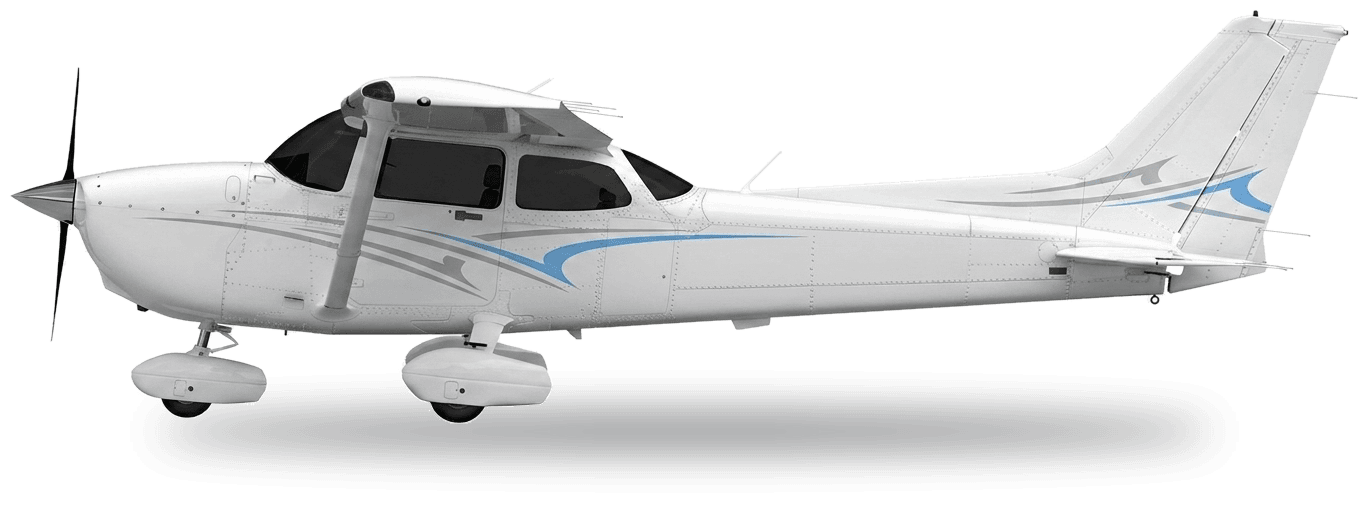
ECO · Cessna 172 Skyhawk
Most-produced aircraft in history
Over 60 years of continuous production. The benchmark used by every FAA-approved flight school. If a pilot has flown a small plane, they've flown a 172.
High-wing stability
Cessna's high-wing design offers better visibility of terrain below and more stable low-speed handling than low-wing alternatives — the same reasons it's the training standard.
Simple, well-understood systems
Fewer moving parts, extensively documented maintenance procedures, decades of accumulated safety data.
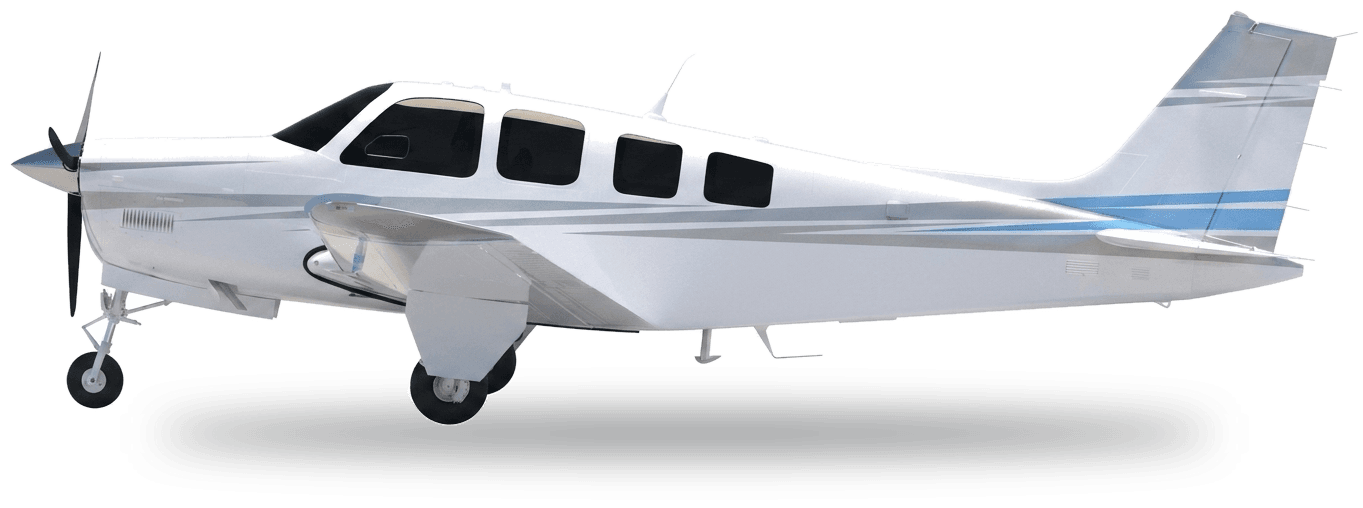
SPORT · Beechcraft Bonanza
75 years of continuous production
The longest continuous production run of any civil aircraft in history. Bonanzas built in the 1950s still fly today — a testament to Beechcraft's engineering discipline and Part 135 fleet reliability.
Business-aviation workhorse
The Bonanza is the aircraft of choice for owner-flown business aviation — a category with among the highest standards for aircraft reliability and maintenance discipline.
Cruise speed with cabin comfort
174-knot cruise gets riders to their destination faster than the ECO tier, in a cabin designed for professional-flight comfort.
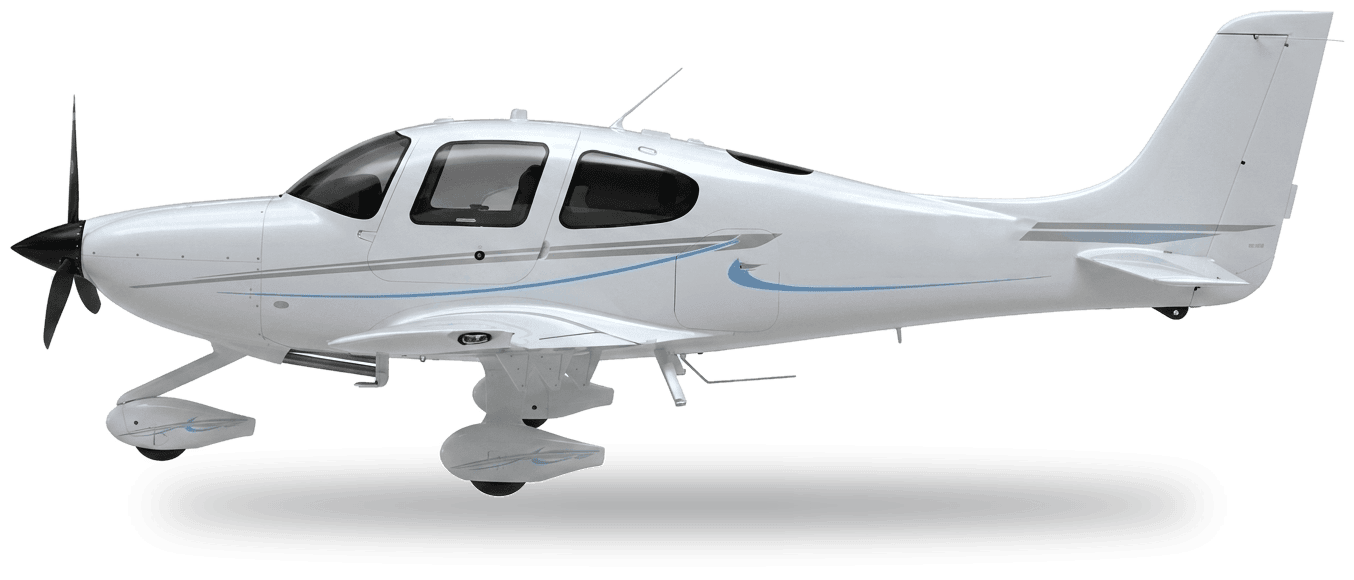
LUX · Cirrus SR22T
Fleet-defining safety feature
CAPS — Cirrus Airframe Parachute System
The Cirrus SR22 is the only certified aircraft in its class equipped with a whole-airframe parachute. If the pilot loses control at altitude, CAPS deploys a parachute for the entire aircraft. This is why Cirrus has one of the lowest fatal accident rates of any general aviation aircraft.
Turbocharged for high-altitude cruising
213-knot cruise, turbocharged engine, and glass cockpit with terrain and weather awareness. The Cirrus is designed to fly above the weather, not through it.
Modern glass-cockpit avionics
Full Garmin Perspective+ glass panel with synthetic vision, TAWS-B terrain warning, and TIS-B traffic advisories — the same category of safety systems used in business jets.
Regulatory framework
Part 135, in plain English.
The FAA regulates civil aviation under three primary parts. Understanding which one governs Soar tells you almost everything about the safety standards we operate under.
| Standard | Part 91Private/personal | Part 135On-demand air carrier | Part 121Scheduled airline | SoarWhere we sit |
|---|---|---|---|---|
| Who operates | Owner flies own aircraft | Certified air carrier | Certified airline | Part 135 (in acquisition) |
| Pilot certificate required | Private minimum | Commercial minimum | ATP minimum | Commercial minimum |
| Duty & rest rules | None | FAA-mandated limits | FAR 117 (strictest) | Part 135 limits |
| Aircraft inspection | Annual | Progressive + phase | Continuous airworthiness | Part 135 progressive |
| Random drug testing | None | Yes | Yes | Yes |
| Weather minimums | Pilot discretion | FAA-mandated minimums | FAA-mandated minimums | Part 135 minimums |
| Ops manual | Not required | FAA-approved | FAA-approved | FAA-approved (in acquisition) |
Part 135 is meaningfully stricter than the private-use Part 91 rules that govern most small-aircraft flying. The Part 121 rules that govern scheduled airlines are stricter still — reflecting the fact that airlines fly larger aircraft, longer routes, and more passengers per flight. Soar sits squarely in the Part 135 framework, engineered for regional on-demand operations.
Dispatch flow
Between “book” and “wheels up.”
What happens in the seconds and minutes between a rider tapping “book” and an aircraft leaving the ground. Every step is enforced by software, every constraint is a hard stop.
You book
Route, aircraft class, and departure time captured. Software immediately begins verifying constraints in the background.
Aircraft assigned
The dispatch layer checks fleet maintenance status, insurance currency, and open airworthiness items. No aircraft with an open squawk is offered.
Pilot dispatched
Software verifies the assigned pilot holds current qualifications, is within duty-time limits, has flown the aircraft type recently, and holds a current medical.
Weather cleared
Departure, en-route, and destination weather checked against Part 135 minimums. If any one leg fails, the flight is delayed or rebooked — never dispatched into borderline conditions.
Flight tracked
Real-time position, altitude, and speed monitored from wheels-up to wheels-down. Ops team is alerted immediately on any deviation.
Post-flight review
Every flight generates an event log. Anomalies are auto-flagged for safety review within 24 hours. Data accumulates into the safety trail we can audit.
Frequently asked
Real questions. Real answers.
How are your pilots different from a private pilot renting a plane?
+
Every Soar pilot is a commercial pilot minimum, verified against the FAA airman registry. Their qualifications are re-checked before every flight. A private pilot in a rental has none of that oversight — no dispatch authority verifying they're fit to fly, no ops manual, no scheduled check rides, no duty-time rules.
What happens if the weather turns bad after I've booked?
+
Weather is re-checked at multiple points before dispatch — departure airport, en-route conditions, and destination. If any one leg falls below Part 135 minimums, the flight is delayed or rebooked. Soar dispatch will never launch a flight into borderline conditions.
Are these aircraft really as safe as an airliner?
+
Different categories, different safety profiles. Commercial airliners (Part 121) fly the biggest aircraft on the most stringent standards — appropriate for hundreds of people per flight. Part 135 on-demand carriers operate smaller aircraft under a different but genuinely rigorous framework — the same one used by every professional charter operation in the country. The Cirrus SR22T we fly in our LUX tier has one of the best safety records of any general aviation aircraft, in part because of its whole-airframe parachute system.
What is Part 135 certification, and when will Soar have it?
+
Part 135 is the FAA framework that governs on-demand air carriers — the same rules that govern every charter operator in the country. It's a comprehensive certification covering pilot standards, aircraft maintenance, operations procedures, weather minimums, drug testing, and record-keeping. Soar is currently in the acquisition process for a Part 135 certificate. We expect certification in Q4 2027; that timeline is filed and public.
What happens if the aircraft has a mechanical issue mid-flight?
+
Soar pilots are trained on Part 135 emergency procedures for every aircraft in the fleet. Small piston aircraft glide well — an engine failure at cruise altitude typically gives a pilot several minutes to select and reach an alternate landing site. Our fleet operates over regions with dense small-airport coverage; there is almost always a runway within gliding range. And on the LUX tier, the Cirrus SR22T's CAPS parachute system offers an additional layer of protection unique to that aircraft.
Can I meet the pilot before I fly?
+
Yes. Every rider gets pilot details in the app before departure — name, certification level, hours logged, and years of experience. If you have questions before you board, the pilot is there to answer them.
How do I report a safety concern?
+
Email safety@soaraerial.com — this reaches our safety team directly. All reports are reviewed within 24 hours. If your concern relates to an in-progress flight, contact operations directly at ops@soaraerial.com.
Reach the team
Have a safety question?
The Soar safety team answers every message. Riders, pilots, media, and regulators — all welcome.
safety@soaraerial.comReady to fly with a company built around safety?
Join the waitlist